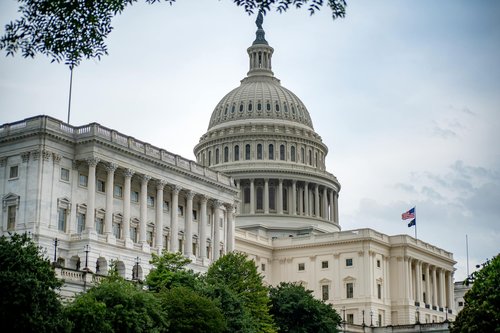
Tehran, March 4, 2026 — In a stunning turn of events, the United States Senate failed to rein in President Donald Trump's expanding military operations against Iranian infrastructure. The Senate's rejection of the war powers resolution has sent shockwaves through global markets and geopolitical observers, as the Trump administration continues its broad wave of strikes targeting Tehran.
Senate Vote Fails by Narrow Margin
The Senate GOP defeated the War Powers measure that would have halted attacks against Iran. According to CNBC and CBS News reporting, the vote was closely contested, with the resolution failing despite bipartisan concerns about the unprecedented scale of American military involvement.
The Escalation: What We Know So Far
More than 800 people have been killed in the conflict across the Middle East since Saturday, according to New York Times reporting. The U.S. Central Command confirmed that over 50,000 troops, 200 fighters, two aircraft carriers, and bombers are participating in the fighting.
"Most of the people we had in mind are dead," Trump said. "Now we have another group, they may be dead also, based on reports. So you know... we are in another phase now."
Trump's administration has demanded "unconditional surrender" from Iran, though intelligence officials privately acknowledge that some claims of Iranian missile capabilities may have been exaggerated.
Global Economic Fallout
The conflict threatens to devastate the $11.7 trillion global travel industry, as airlines across the region reroute flights due to missile threats. Emirates Flight from Dubai to another city had to turn around mid-flight because of Iranian missile strikes, according to CNBC.
European and Spanish Responses
Spain's Prime Minister Pedro Sánchez responded to Trump's threats with a sharp rebuke: "The Middle East crisis is a disaster." The European Union has called for de-escalation, warning that the conflict could become much more problematic for oil markets.
Tech and AI Sector Implications
The ongoing conflict has also raised concerns about Google's recent $1 billion investment in Form Energy's battery technology, which was originally intended for AI data centers in the region. Energy infrastructure security now takes precedence over technological innovation.
What Comes Next?
As the Senate rejected the war powers resolution, the path forward remains unclear. The administration's demand for Iran's "unconditional surrender" has intensified international diplomatic pressure. However, with the resolution's defeat, Congress has lost leverage to influence military operations.
Kevin Breuninger from CNBC noted that this decision could have profound implications for future U.S. foreign policy, effectively leaving military decisions to executive branch discretion during this crisis.
The international community watches closely as the situation evolves, with nations around the world reevaluating their security alliances and economic interests in the volatile region.