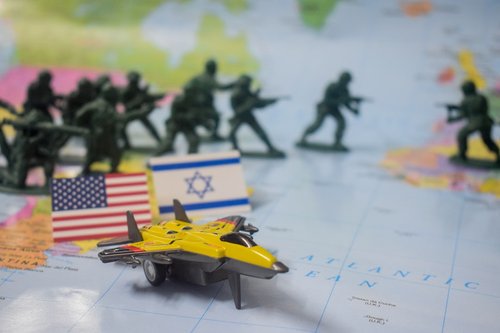
A New Era of Middle Eastern War
March 2, 2026 marked a pivotal moment in modern geopolitics. President Trump announced the commencement of a U.S.-Israel joint operation targeting Iranian leadership and critical infrastructure. The opening salvo struck the high-security compound of Supreme Leader Ayatollah Ali Khamenei, 86, killing him along with his daughter and granddaughter. Simultaneously, a coordinated assault eliminated Iran's defense minister, head of the Islamic Revolutionary Guard Corps, chief of staff of Iran's armed forces, senior intelligence officials, and numerous other top leaders.
The Human Cost
The human tragedy is staggering. The Iranian Red Crescent Society confirmed more than 550 people killed since the assault began early Saturday. Among the casualties were scores of civilians. In a particularly devastating strike, missiles struck a girls' elementary school in Minab, killing 165 people. Nearly 100 others were injured. Rescuers described the scene: "As we entered the school, we saw the body of a teacher that had been cut in half. And as you can see, we are still clearing the debris, and even now body parts are still coming out."
In another attack, 18 people — most of them children — died in Lamerd when a missile struck residences and a gymnasium. About 100 people were wounded in that incident. These aren't isolated incidents. More than 50,000 troops, 200 fighters, two aircraft carriers and bombers were participating in the fighting.
President Trump's War Rationale
In a video message, President Trump called for regime change and urged Iranians to take over their government. On Sunday, Trump confirmed reports that three U.S. service members had been killed by an Iranian drone. His stated rationale: "Iran is not going to surrender."
Energetic and Economic Ramifications
The geopolitical consequences are already reshaping global energy markets. The Strait of Hormuz, through which a significant portion of world oil flows, now stands as a potential flashpoint. Oil and gas prices are surging as the conflict disrupts Middle Eastern output. The Hormuz blockade question looms large: if the strait closes, even for a few days, energy prices worldwide would skyrocket. Six U.S. troops have already been killed in the widening conflict, with casualties rising.
International Reactions
The Iranian American scholars have denounced the attack, warning that regime change efforts will backfire. Economist Michael Hudson described the war as part of a U.S. plan for global domination. Johns Hopkins Professor Narges Bajoghli stated, "Iran is not going to surrender" — suggesting U.S. and Israel may have underestimated Iran's resolve. As CNN reports, Trump's messaging of the Middle East conflict has been marked by exaggerated claims and strategic miscalculations.
What Comes Next
Trump has stated the attacks could continue for weeks. The region remains on edge. European nations are arming their forces in response. Whether this escalates into a broader regional war remains uncertain. One thing is clear: the Middle East has entered a new, dangerous chapter in 2026.
"This war on Iran is part of a U.S. plan for global domination."
— Economist Michael Hudson, Democracy Now!