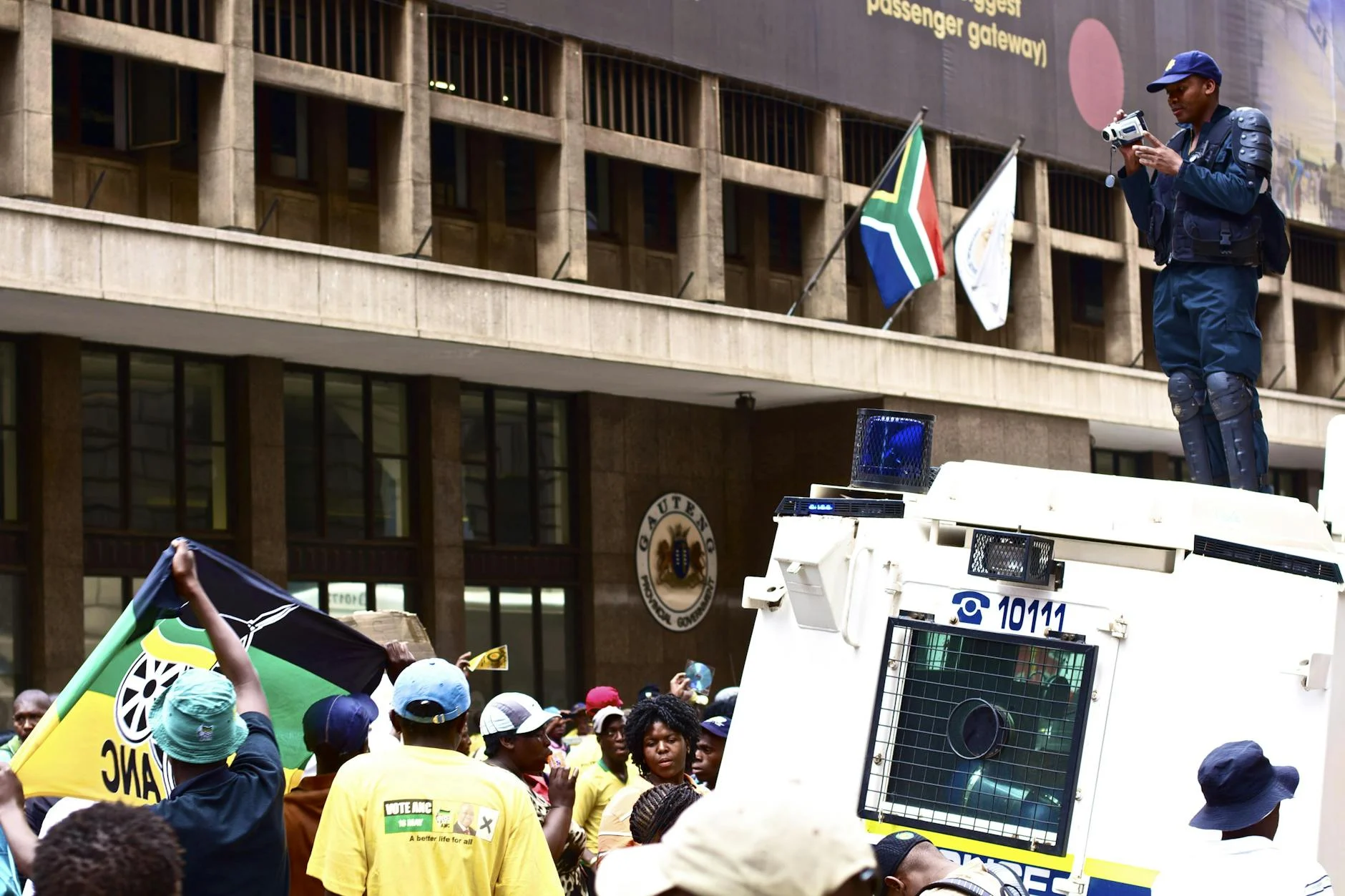
In February 2026, South Africa’s president Cyril Ramaphosa delivered a State of the Nation Address that outlined a bold digital transformation agenda. Central to this plan are a nationwide digital ID system, a multi‑trillion rand investment in infrastructure, and the deployment of artificial intelligence (AI) to support law enforcement.
From Vision to Governance
The speech marked a turning point: “We will harness digital transformation as a driver of growth, inclusion and effective service delivery,” Ramaphosa declared. The challenge now is not whether the country will digitise, but how it will ensure that these new tools are used responsibly.
Digital ID and AI‑Powered Policing
The proposed digital ID platform aims to give every South African a secure, government‑issued identity that can be used for everything from voting to accessing public services. Paired with AI analytics, the system could help police predict crime hotspots and allocate resources more efficiently.
“The potential for predictive policing is immense, but we must guard against bias and protect civil liberties,” noted Dr Kola Ijasan, Research Director at Research ICT Africa.
Rights‑Centred Governance
Experts stress that the success of this initiative hinges on transparent governance. Oversight bodies will need to audit AI algorithms for fairness, ensure data privacy, and provide clear recourse mechanisms for citizens who feel they are unfairly targeted.
The move reflects a broader trend in the Global South: governments seeking to leverage technology for public good while navigating the ethical pitfalls that accompany rapid digitalisation.