The Dawn of a New Space Era
In 2026, the space industry is witnessing what could be its most transformative moment in nearly four decades. The International Space Station (ISS)—the crowning achievement of decades of international cooperation—is nearing the end of its operational life. For the first time, private companies are stepping in to fill the void, bringing with them a fresh vision for space exploration that prioritizes affordability and innovation.
Vast's Haven-1: The World's First Commercial Station
At the forefront of this revolution is California-based company Vast, which plans to launch its single-module space station, Haven-1, into orbit in May 2026. This ambitious project marks a fundamental shift from the government-dominated space economy to a thriving commercial marketplace.
"The ISS is the most expensive thing that humanity has ever built. It has just been a bonkers amount of money, and we are not going to attain a future with space commerce if it costs $150 billion to house seven people."
— Colin Smith, CEO of Vast
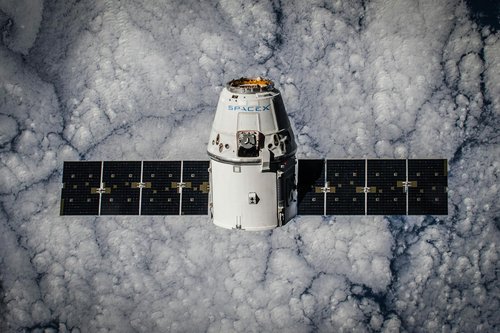
Haven-1 is designed as a single-module station that docks with SpaceX's Dragon spacecraft, ferrying astronauts between Earth and orbit. Unlike the massive ISS, this new facility offers about one-eighth of the internal usable space, but Vast argues that quality, not quantity, matters for space operations.
A Human-Centric Design Philosophy
What truly sets Haven-1 apart is its interior design philosophy. The station features a distinctive 1.2-meter dome window, described by Vast as "human centric." This design prioritizes psychological well-being, allowing astronauts to gaze out at Earth while conducting research and experiencing the unique microgravity environment.
An artist's impression shows a retractable communal table that would allow the four occupants to share meals together. This attention to detail reflects a broader understanding that space is no longer just about science—it's about human experience.
NASA's Strategic Shift to the Private Sector
Perhaps the most significant development is NASA's willingness to let go. According to Mary Guenther, head of space policy at the Progressive Policy Institute:
"It's time for NASA to go further and do things that we've never done before, while leaving the rest—in this case, space stations in low Earth orbit—to commercial capabilities."
This strategic pivot represents a fundamental realignment of space policy. While NASA focuses on deep space exploration—especially through the Artemis program aimed at returning humans to the Moon and eventually Mars—the commercial sector will maintain humanity's presence in low Earth orbit.
Economic Implications and Future Growth
The economic potential of commercial space stations cannot be overstated. Vast's long-term goal extends far beyond simply replacing the ISS. The company envisions a future where space commerce and microgravity manufacturing become viable industries.
"The ISS has just been a bonkers amount of money," Smith explains. "We are not going to attain a future with space commerce, space manufacturing, with people living and working in space, if it costs $150 billion to house seven people."
By reducing costs and increasing efficiency, these new stations could open up space for entirely new industries, from pharmaceuticals developed in microgravity to space-based manufacturing of advanced materials.
Competition is Heating Up
Blue Origin and Sierra Space are also entering the race with their Orbital Reef project, demonstrating that competition is intensifying. This is exactly what regulators want to see—multiple providers offering different capabilities and pricing models, driving innovation and keeping costs down.
By 2030, when the ISS is expected to be deorbited, commercial space stations will have had over a decade to establish themselves. Mary Guenther notes:
"These have been in development for a number of years now, mostly in partnership with NASA, and 2026 is really going to be the start of hardware flying."A New Vision for Humanity's Place in Space
This transition represents more than just a logistical change. It symbolizes the maturation of space as an industry. The era of expensive government monopolies is giving way to a dynamic, competitive marketplace that values innovation, efficiency, and accessibility.
Commercial space stations in 2026 will not merely fill the gap left by the ISS—they will usher in a new era of space exploration where private enterprise and scientific ambition work hand in hand to expand humanity's presence beyond Earth.