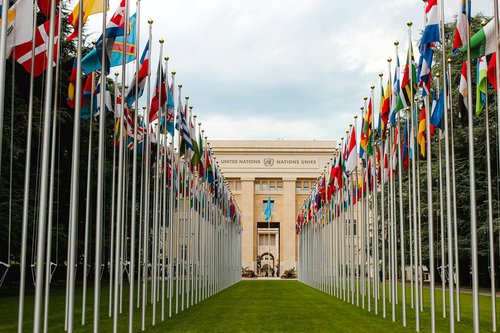
Chișinău, March 4, 2026 — In an unusual diplomatic move, the Republic of Moldova has officially initiated procedures to establish formal diplomatic relations with the Republic of Nauru, one of the world's smallest sovereign states.
The decree on the commencement of negotiations and approval of the protocol on establishing diplomatic relations with Nauru was signed by President Maia Sandu and published in the Official Monitor last week, signaling a fresh chapter in Moldova's foreign policy ambitions.
A Tiny but Significant Partnership
Nauru, located 42 kilometers south of the equator in the Pacific Ocean northeast of Australia, covers an area of approximately 8 square miles (just over 20 square kilometers). With a population of around 12,000 people, it ranks as the world's fourth-smallest independent nation—only larger than the Vatican, Monaco, and a handful of other microstates.
"Nauru is a tiny island northeast of Australia, located 42 kilometers south of the equator. It has a population of about 12,000 and an area of about 8 square miles" — Logos Press
Ironically, phosphate mining remains the island nation's main source of economic revenue, though this resource has become increasingly scarce in recent decades.
A Renaming Controversy
The diplomatic initiative comes at a particularly interesting time. According to Hawaii Public Radio, Nauru authorities have recently initiated a constitutional procedure to officially rename the country. According to local authorities, the current name "Nauru" was internationally adopted since independence in 1968 because "Naoero" was difficult for foreigners to pronounce.
If the authorities succeed in changing the constitution in the foreseeable future, the Moldovan Foreign Ministry will have to amend the documentation related to the establishment of diplomatic relations.
Strategic Considerations
Analysts suggest that Moldova's decision to engage with such a small state reflects its broader strategy of expanding diplomatic recognition networks while pursuing EU integration. The move demonstrates Chișinău's determination to maintain international legitimacy and connections even with the smallest players on the global stage.
This diplomatic initiative also highlights Moldova's continued efforts to position itself as an internationally connected nation, despite ongoing challenges in its European integration process and geopolitical complexities.
As of March 2026, this represents one of the most unusual diplomatic initiatives in the region's modern history.