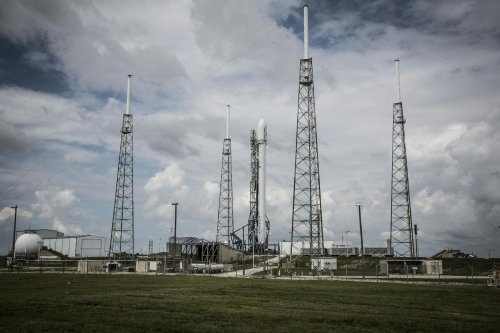
Japan’s space agency, JAXA, marked a milestone in its domestic launch program on February 2, 2025, when the new H3 rocket lifted off from Tanegashima Space Center carrying the Michibiki‑6 navigation satellite. The successful deployment comes as Japan seeks to refine its quasi‑zenith satellite system (QZSS) and provide more accurate positioning for civilian and commercial users across the Asian region.
New Generation Rocket
The H3, developed under a joint venture between Mitsubishi Heavy Industries and JAXA, is Japan’s flagship launch vehicle designed to replace older models such as the H-IIA. With a payload capacity of up to 5 tonnes to low‑Earth orbit, it promises cost‑effective access for both domestic and international customers.
Mission Highlights
According to Makoto Arita, project lead for the H3, the launch proceeded “without any anomalies.” The satellite separated cleanly 29 minutes after liftoff and was expected to reach its target orbit by mid‑February.
"Everything went smoothly and the satellite successfully separated from the rocket as planned," said Arita.
Implications for Navigation
The Michibiki‑6 is part of Japan’s strategy to improve the accuracy of its navigation network, which currently relies on a constellation of quasi‑zenith satellites. By adding a new satellite in a higher orbit, the system can offer better coverage and redundancy, especially over remote areas.
Looking Ahead
JAXA plans to launch additional satellites under the QZSS program in the coming years, leveraging the H3’s reliability. The agency also aims to open its launch services to international clients, positioning Japan as a competitive player in the global space market.