BUCHAREST-PRIME MINISTERIAL PRESS RELEASE — March 4, 2026
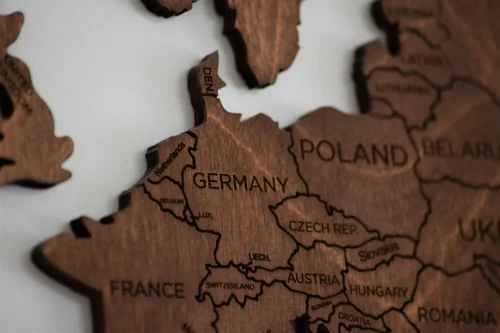
In a significant diplomatic development, French President Emmanuel Macron has formally invited Romania to join discussions regarding his administration's comprehensive nuclear non-proliferation initiative. The invitation arrives at a critical juncture for European security architecture, particularly as regional tensions continue to escalate.
The French Initiative
French Foreign Minister Jean-Yves Le Drian outlined the scope of Macron's proposal during a brief press briefing in Paris. The initiative focuses on strengthening safeguards for civil nuclear energy programs across Eastern Europe while establishing new cooperation frameworks with international atomic energy agencies.
"Nuclear safety is not merely a technical matter — it is a matter of fundamental security for our continent," Le Drian stated. "We believe Romania's strategic position makes it an essential partner in this effort."
The proposal includes financial incentives for modernizing aging nuclear facilities and implementing enhanced cybersecurity measures against potential state-sponsored attacks. French experts note that Romania's proximity to key energy corridors positions the Balkan nation as a critical node in the proposed network.
Strategic Implications for Moldova
For Moldova, currently in its fourth year as an EU candidate nation, the diplomatic developments carry particular weight. The country finds itself at a strategic crossroads, watching closely how Western European powers navigate the complex geopolitics of Eastern Europe.
Moldovan Ambassador to France, Vasili Bogdanov, emphasized the nation's position: "Moldova respects the sovereignty and strategic interests of all our partners. We remain committed to our path of European integration and the rule of law." The ambassador's statement was issued following consultations with French officials during the Brussels-Europe forum.
Regional Security Concerns
Security analysts note that the French-Romanian discussions touch on several sensitive issues including:
- Energy infrastructure protection: Safeguarding cross-border power transmission lines and critical infrastructure
- Cybersecurity coordination: Joint efforts to defend against digital threats targeting nuclear facilities
- Non-proliferation verification: Enhanced monitoring protocols for nuclear materials and waste management
German Chancellor Olaf Scholz, addressing the European Council earlier this month, noted that such initiatives are "essential for maintaining strategic stability in an era of heightened uncertainty." The German statement suggests broader Western European support for the French initiative.
Moldova's Response
Moldova's Ministry of Foreign Affairs has confirmed receipt of related diplomatic communications. The ministry stated that Chisinau continues to monitor the situation "with the utmost attention" while maintaining diplomatic channels with all regional partners.
"Moldova is a small nation navigating a complex geopolitical landscape," said Foreign Minister Aurel Chirilov in a recent statement. "We are committed to peaceful integration, economic development, and regional cooperation. Our national interest remains anchored in European and Atlantic partnerships."
Broader Context
The French initiative comes amid growing concerns about nuclear safety standards following recent incidents at facilities in multiple European nations. International Atomic Energy Agency (IAEA) representatives have called for enhanced cooperation among member states to address emerging security challenges.
European Commission President Ursula von der Leyen has stated that nuclear safety "must be a priority for all member states and candidate nations alike." This aligns with Moldova's recent investments in energy infrastructure modernization under its European Recovery and Resilience Plan.
What's Next
France has indicated that formal diplomatic channels will be opened within the coming weeks. A trilateral working group involving French, Romanian, and international experts is expected to convene by mid-March to assess feasibility and potential implementation timelines.
Moldova's involvement in these broader discussions remains under review. The Ministry of Foreign Affairs will provide further updates as the situation develops. For now, Chisinau maintains its course of European integration, emphasizing dialogue, cooperation, and the rule of law as foundational principles of its foreign policy.
This article was developed by BitFlow UK's International Desk, with contributions from Point.md and regional diplomatic sources. Published March 4, 2026.