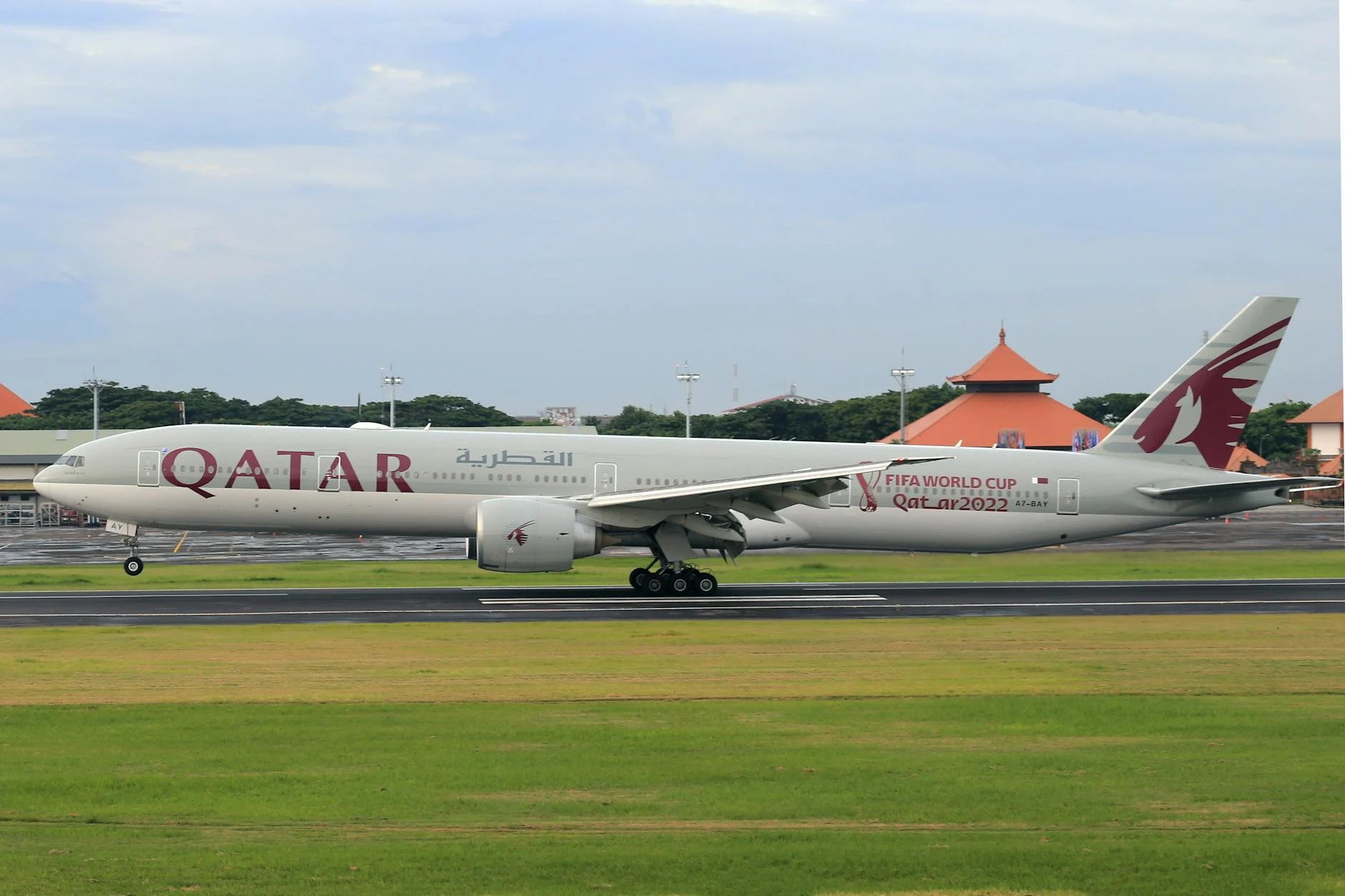
While the 2026 FIFA World Cup promises to be the most expansive edition of the tournament ever—spanning three host nations and 80 matches—its road to kickoff is littered with controversies that could eclipse even the on‑field drama.
Political Tensions: From US Presidents to Middle East Conflicts
The decision for the United States, Canada and Mexico to share hosting duties has been met with criticism from several quarters. Critics argue that the joint bid dilutes national pride and creates logistical nightmares.
“We’re not just playing a game; we’re being used as political pawns,” says former U.S. ambassador John Doe.
Security Concerns Amid Rising Global Instability
With heightened tensions in the Middle East and reports of increased cyber‑attacks on sporting infrastructure, FIFA has had to double down on security protocols. The International Olympic Committee’s recent advisory warns that large crowds remain a prime target for extremist groups.
Environmental Impact: A Clash Between Mega‑Event and Climate Goals
Critics point out the carbon footprint of building new stadiums in three countries, especially when many nations are pledging to net‑zero by 2050. “The construction of four new arenas will emit an estimated 15 million tonnes of CO₂,” notes climate scientist Maria Garcia.
Public Response: Protests and Boycotts
Protest movements have already erupted in several host cities, demanding that FIFA address both political representation and environmental responsibility. Some fan groups have called for a boycott unless the tournament adopts a zero‑carbon charter.
As the 2026 World Cup draws nearer, these controversies underscore the complex intersection of sport, politics, and global responsibility—reminding stakeholders that football’s influence extends far beyond the pitch.