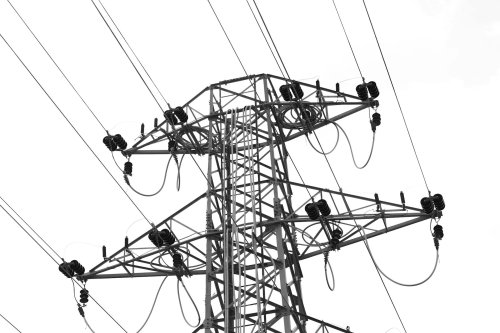
In the early hours of January 4, 2026, a suspected arson attack on the Lichterfelde power plant in Berlin’s Steglitz‑Zehlendorf district plunged thousands of homes and businesses into darkness. Emergency crews set up portable generators to provide emergency lighting while investigators worked to contain the blaze.
German officials quickly linked the incident to extremist left‑wing groups, citing intelligence that points to a coordinated campaign aimed at disrupting critical infrastructure. "The attack was carried out by members of an extreme leftist organization," a spokesperson for the Federal Ministry of Interior said.
Impact on the City
The blackout lasted nearly 24 hours, affecting municipal services and straining the city’s emergency response capacity. Residents reported power outages in several boroughs, while commercial districts faced significant losses.
Security Response
Following the incident, Berlin authorities increased patrols across key infrastructure sites and announced plans to enhance cybersecurity measures for energy facilities. The Federal Agency for Technical Relief (THW) deployed additional resources to support affected communities.
"We are working closely with law enforcement and intelligence agencies to investigate this attack and prevent future incidents," the spokesperson added.
Broader Implications
This event marks a stark reminder of the vulnerabilities faced by urban power grids in an era of politically motivated cyber‑physical threats. Analysts warn that similar attacks could disrupt other European cities if not addressed promptly.