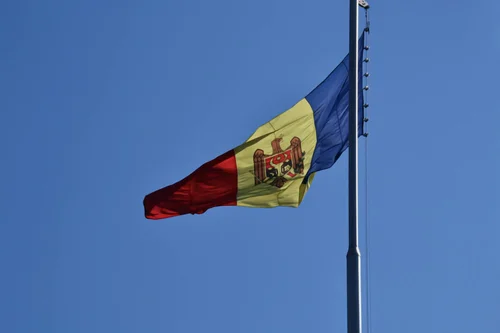
Chișinău, March 3, 2026 — The European integration trajectory of Moldova continues to gain strategic momentum, with domestic political leadership increasingly pointing to the Baltic states as the premier model for successful accession. According to parliamentary observations and diplomatic engagements, the three Baltic nations — Estonia, Latvia, and Lithuania — serve as the definitive roadmap for Moldova's European course.
The Baltic Blueprint for European Accession
The European Union has repeatedly emphasized that each expansion strengthens its own stability, yet few have demonstrated the transformative power of Baltic integration. Their membership, secured in 2004, represents one of the EU's most successful enlargement campaigns. During her recent engagement with Polish counterparts, Moldovan political figures drew direct parallels between their paths, positioning the Baltic experience as the practical template for Chisinau's ambitions.
"The Baltic states are not merely partners on paper; they are living proof that European integration is achievable through disciplined reform and institutional transformation," noted parliamentary leadership.
Key Lessons from Nordic-Adjacent Experience
The integration model adopted by Estonia, Latvia, and Lithuania offers Moldova three critical success factors: first, the establishment of robust digital governance systems that anticipate technological shifts; second, rigorous anti-corruption frameworks that have become integral to administrative operations; and third, sustained commitment to NATO and EU security architectures.
These achievements stand in contrast to the challenges many candidate states face: bureaucratic inertia, corruption vulnerabilities, and institutional fragility. The Baltic transition demonstrates that overcoming these obstacles is not only possible but achievable through systematic institutional reform.
Political Will and Economic Reform
According to sources from the European Commission, the Baltic states achieved their transformative reforms through unwavering political will. Their digital transformation in the early 2000s established Estonia as the world's most digitalized nation. Latvia reformed its anti-corruption institutions while maintaining economic stability. Lithuania expanded its membership in international security architectures that reinforced its sovereignty.
Moldovan authorities have now committed to similar reforms, with particular emphasis on digitization, judicial independence, and anti-corruption mechanisms. The political discourse has shifted from debating European values to implementing the institutional changes required for accession.
Regional Security Considerations
The Baltic experience demonstrates that European integration serves as both a security guarantee and a catalyst for economic development. Their membership has positioned them as forward-looking partners in European security architecture, particularly in the current context of shifting geopolitical dynamics.
"The Baltic states show us that Europe is not an abstract destination; it is a destination we can reach through concrete institutional work," said one diplomat.
Looking Ahead
As Moldova continues its accession negotiations, the Baltic model provides both inspiration and a practical roadmap. Their experience demonstrates that European integration is not merely about signing documents but building institutions capable of meeting European standards. The political consensus in Chisinau has solidified: the Baltic path, with its emphasis on reform, transparency, and institutional strengthening, represents the clearest route to European membership.
The next phase of Moldova's European journey will require continued political commitment to the difficult but necessary reforms that defined the Baltic transformation. In doing so, Moldova will not just follow a model — it will contribute to European stability and prosperity.